Streaming Devices Compared

Streaming devices balance reliability, content breadth, and ecosystem longevity. Sticks offer compact setup and quick access but may lag on expansion and complex tasks. Boxes deliver richer ports and stronger upgrade paths, while all-in-one hubs centralize control. Performance hinges on latency, memory, and background tasks, shaping smooth UI and app breadth. The choice affects UI polish and interoperability, influencing long-term living-room harmony. The discussion invites scrutiny of value versus future-proofing, prompting further comparison.
What Streaming Devices Deliver: Core Criteria That Matter
Streaming devices vary primarily in how they deliver content, performance, and ecosystem support, rather than merely in hardware specs.
Core criteria emphasize reliability, streaming breadth, app longevity, and update cadence.
Latency differences affect navigation and search responsiveness, while remote ergonomics influence long sessions and accessibility.
Clarity, interoperability, and user autonomy define value beyond raw hardware capability.
Compare Sticks, Boxes, and All-In-One Hubs
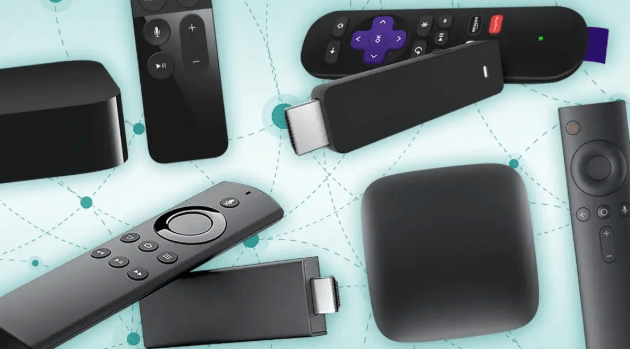
Sticks, boxes, and all-in-one hubs represent three architectural approaches to delivering streaming content, each with distinct trade-offs in size, power, and integration. Stick form favors compactness and quick setup, yet may limit expansion and performance in complex tasks.
Box versatility supports richer ports and faster upgrades, while all-in-one hubs consolidate features for centralized control. This contrasts stick performance and box versatility.
Performance, Smoothness, and App Breadth by Device Category
Device category influences how performance, smoothness, and app breadth manifest in practice. Across sticks, boxes, and hubs, performance consistency varies with hardware acceleration, memory bandwidth, and background tasks.
Smoothness hinges on latency and UI frame pacing, while app breadth reflects ecosystem depth and third-party support. User interface polish and robust performance consistency underpin a perceived sense of freedom and reliability.
Budget, Value, and Your Living Room Setup
When choosing a streaming solution, the balance between cost, feature set, and room integration determines overall value and practicality, not just price.
This analysis weighs budget options against expected performance, highlighting how device ecosystems influence layout and usability.
It emphasizes feature comparisons, interoperability, and future-proofing, guiding a discerning buyer toward adaptable, affordable setups that respect space, aesthetics, and freedom of choice.
See also: windowsterminal
Frequently Asked Questions
How Do Streaming Devices Handle 8K Content?
8K content is handled via dedicated 8K processing pipelines and codec compatibility checks, ensuring decoding and upscaling pathways align with device capabilities; performance depends on HDMI/HDMI 2.1 support, memory, and processing efficiency for fluid playback.
Which Device Supports Evolving Streaming Codecs Best?
In this scenario, the device with the most rapid software updates supports evolving codecs best. For example, a major streaming box uses frequent firmware enhancements to optimize AV1, AVIF, and HEVC, keeping playback aligned with industry codec progress.
Can Devices Double as Smart Home Hubs?
Yes, some devices double as smart home hubs, but device compatibility varies. The analysis notes that hub functionality depends on ecosystem support, ensuring seamless control across smart speakers, lights, and sensors while preserving streaming performance and user autonomy.
Do Any Offer True Offline Downloads for Offline Viewing?
Some streaming devices do not offer true offline downloads for offline viewing, making buffering performance a key differentiator; few platforms allow complete offline downloads, while others limit to temporary caches, hindering consistent playback for freedom-seeking users.
How Reliable Is Voice Control Across Platforms?
Voice control reliability varies by platform, with some systems offering consistent responses and others experiencing latency. The assessment emphasizes platform compatibility, noting that performance hinges on hardware, software updates, and ecosystem integration across devices and services.
Conclusion
In a world of coincidence, a streaming device often lands where tools align with need: sticks spark quick setup and simple tasks, boxes promise richer ports and future-proofing, while all-in-one hubs centralize control. The takeaway rests on latency, memory, and app breadth—factors that quietly shape daily use. When the living room schedule and budget intersect, careful matching of form, performance, and ecosystem depth reveals the most reliable harmony for home entertainment.