
Windows Terminal – Complete Guide to the Windows Command Line Tool
Introduction
Modern operating systems provide powerful tools that allow users to control and manage their computers more efficiently. One of the most useful tools available for Windows users is Windows Terminal. It is a modern command-line application designed to improve the experience of working with command-line tools on Windows systems.
Many users search for windowsterminal com to learn about the features and capabilities of Windows Terminal. This application combines several command-line tools into one interface, making it easier for developers, system administrators, and advanced users to manage their workflows.
Windows Terminal offers a fast, customizable, and user-friendly environment for running command-line programs such as Command Prompt, PowerShell, and Linux shells through Windows Subsystem for Linux.
What is Windows Terminal
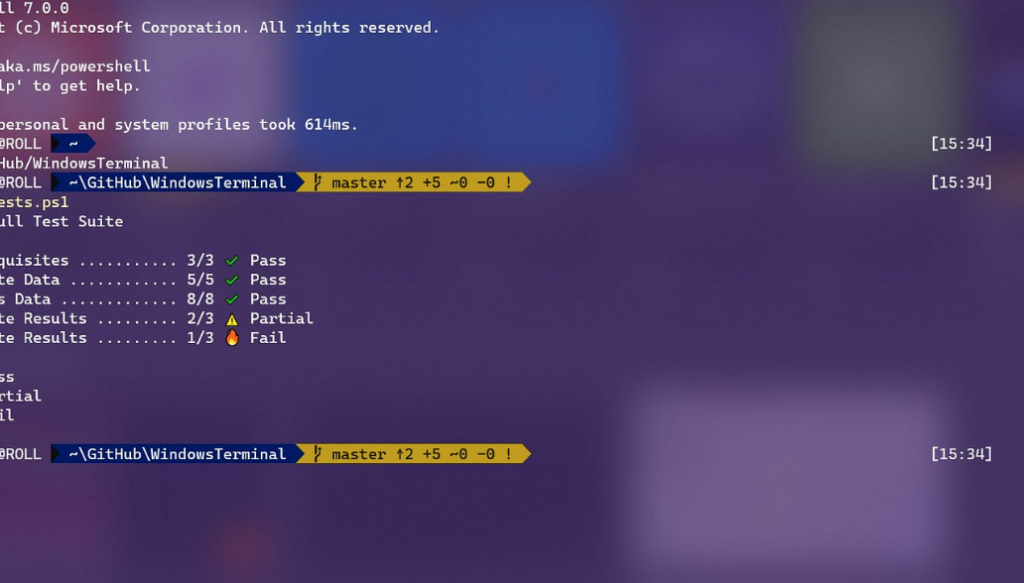
Windows Terminal is a modern terminal application developed by Microsoft for Windows operating systems. It allows users to run multiple command-line tools in a single window with a tabbed interface.
Unlike traditional command-line applications, Windows Terminal provides improved performance, customization options, and support for multiple shells. This makes it easier for users to manage different command-line sessions without opening several separate windows.
Windows Terminal is especially popular among developers and IT professionals who need a powerful and flexible command-line environment.
What is windowsterminal com
The term windowsterminal com is often searched by users looking for information about the Windows Terminal platform, installation methods, and usage guides.
People who search for windowsterminal com are usually trying to understand how Windows Terminal works, how to download it, or how to configure it for different command-line tools.
This keyword is commonly associated with tutorials, documentation, and resources related to Windows Terminal and its features.
Key Features of Windows Terminal
Multiple Tabs Support
One of the most important features of Windows Terminal is its tabbed interface. Users can open multiple command-line sessions in separate tabs within a single window.
Support for Multiple Shells
Windows Terminal supports several command-line environments such as Command Prompt, PowerShell, and Linux shells through Windows Subsystem for Linux.
Customizable Interface
Users can customize the appearance of Windows Terminal by changing themes, fonts, color schemes, and backgrounds.
Fast Performance
Windows Terminal is designed to provide faster performance compared to older command-line tools.
GPU Accelerated Rendering
The application uses GPU acceleration to render text and graphics more efficiently, improving overall performance.
Benefits of Using Windows Terminal
Improved Productivity
With multiple tabs and customizable layouts, Windows Terminal allows users to work more efficiently.
Centralized Command-Line Environment
Instead of opening separate command-line applications, users can manage everything in one place.
Enhanced Customization
Users can personalize the terminal environment according to their preferences and workflow.
Better Visual Experience
Windows Terminal offers modern design elements that make command-line work more visually appealing.
Support for Developers
Developers can run different development environments and command-line tools within a single application.
Who Uses Windows Terminal
Windows Terminal is widely used by different types of users.
Developers use Windows Terminal to run programming tools, build applications, and manage development environments. System administrators rely on it to manage servers, automate tasks, and run administrative commands.
IT professionals also use Windows Terminal for system troubleshooting and configuration. Advanced computer users may use it for scripting and performing complex system operations.
How Windows Terminal Works
Windows Terminal works by providing a unified interface for multiple command-line shells. When the application is launched, users can choose which shell they want to run.
Each shell runs inside its own tab within the Windows Terminal window. Users can open additional tabs to run different environments simultaneously.
For example, one tab might run PowerShell while another tab runs Command Prompt or a Linux shell. This flexibility makes Windows Terminal very useful for managing multiple tasks at the same time.
Advantages of Windows Terminal Over Traditional Command Prompt
Traditional Command Prompt applications provide basic command-line functionality, but they lack many modern features.
Windows Terminal improves the experience by offering tab management, customizable settings, better text rendering, and modern design elements.
The ability to run multiple command-line environments within a single window is another major advantage.
These improvements make Windows Terminal a preferred tool for professionals who frequently work with command-line interfaces.
Future of Windows Terminal
The future of Windows Terminal looks promising as Microsoft continues to improve the tool with new features and updates. The platform may introduce better customization options, improved integration with development tools, and enhanced performance.
As more developers and IT professionals rely on command-line environments, Windows Terminal is expected to become an even more important tool in the Windows ecosystem.
Continuous updates and community contributions may also help expand the functionality of the application.
Conclusion
Windows Terminal is a powerful and modern command-line application that improves the command-line experience on Windows systems. With features such as multiple tabs, support for different shells, and customizable settings, it provides a flexible environment for developers and advanced users.
Many people search for windowsterminal com to learn more about this tool and how it can improve their workflow. As technology continues to evolve, Windows Terminal will likely remain an essential utility for users who rely on command-line tools for development, system management, and automation.